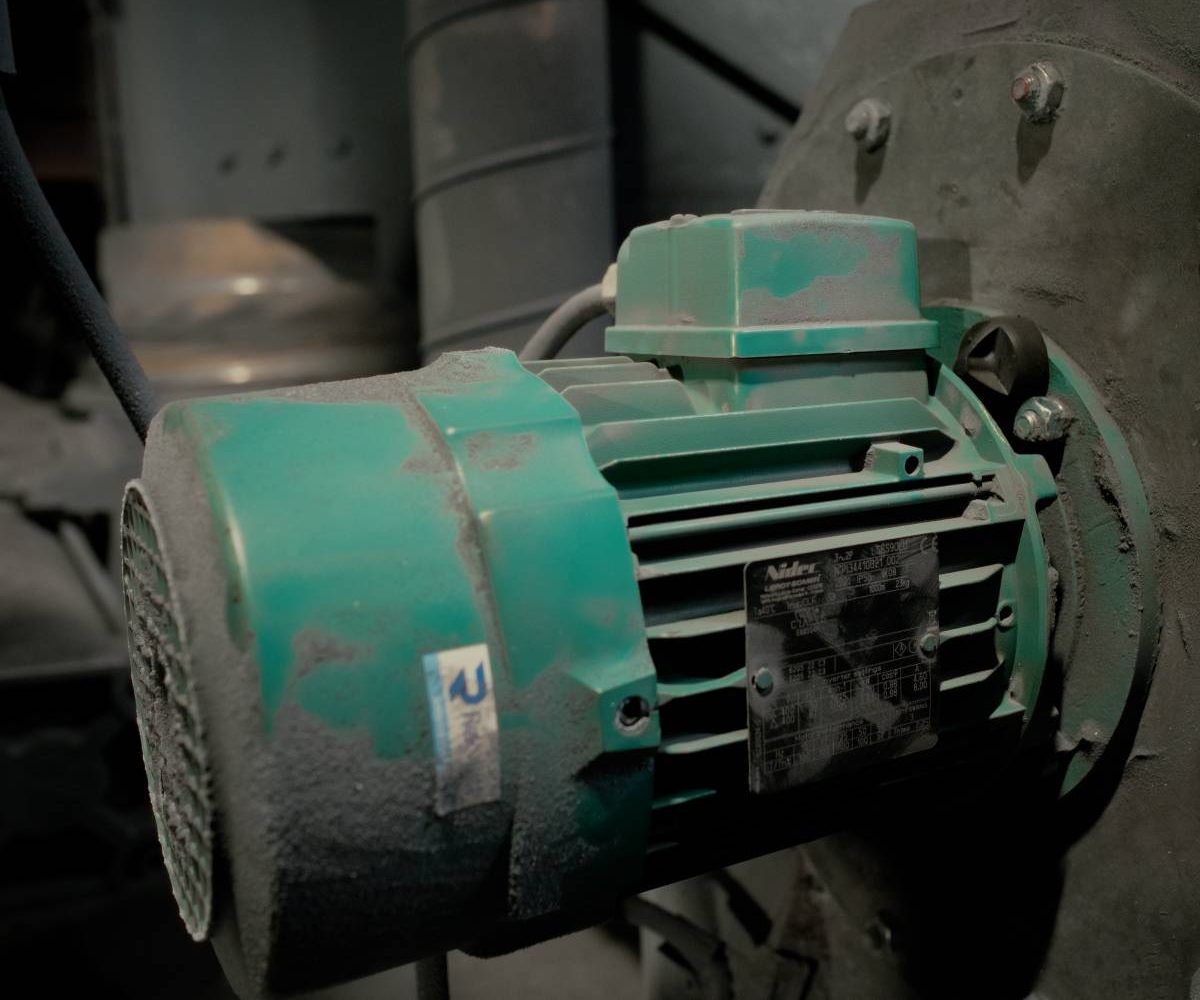
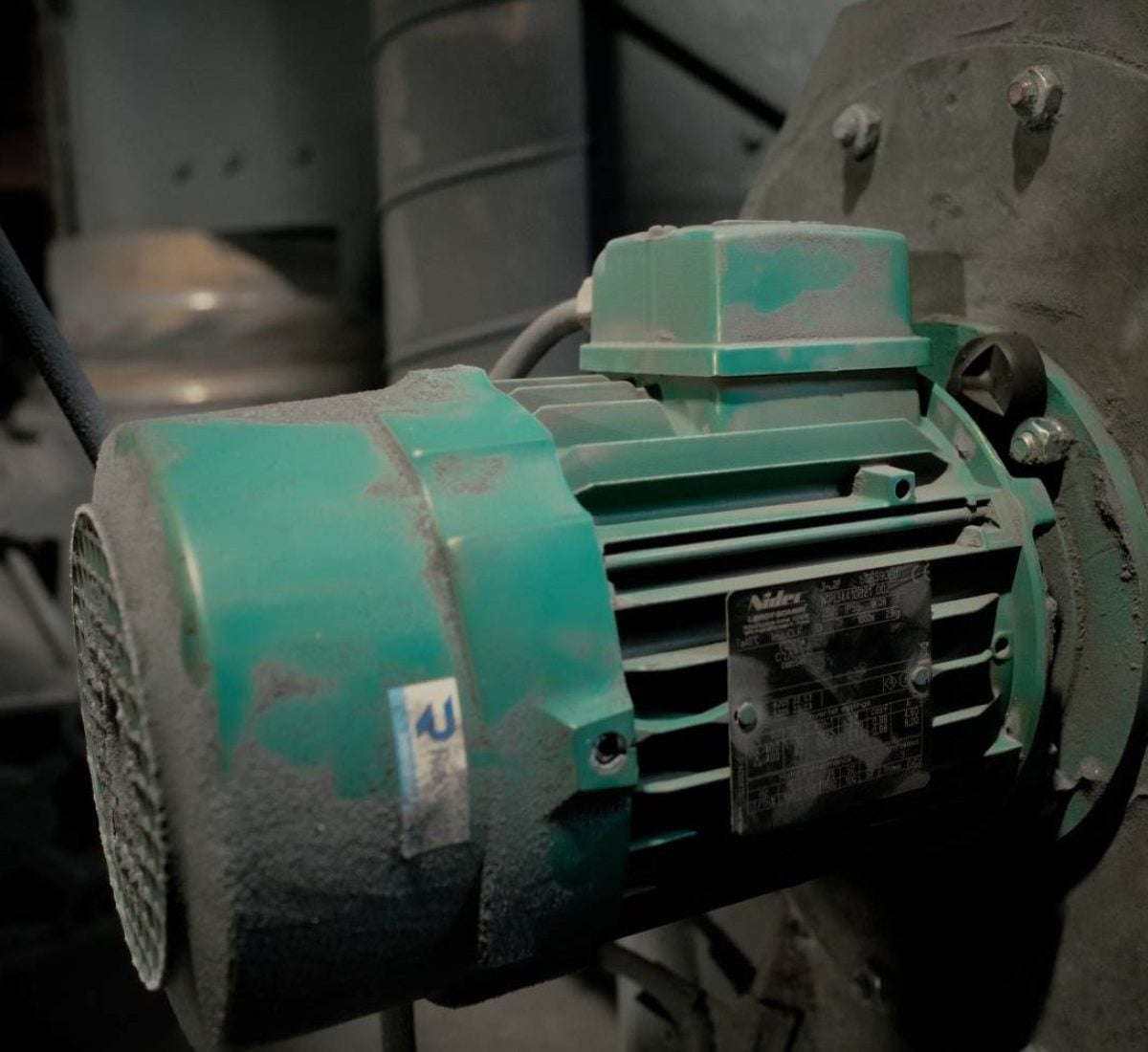
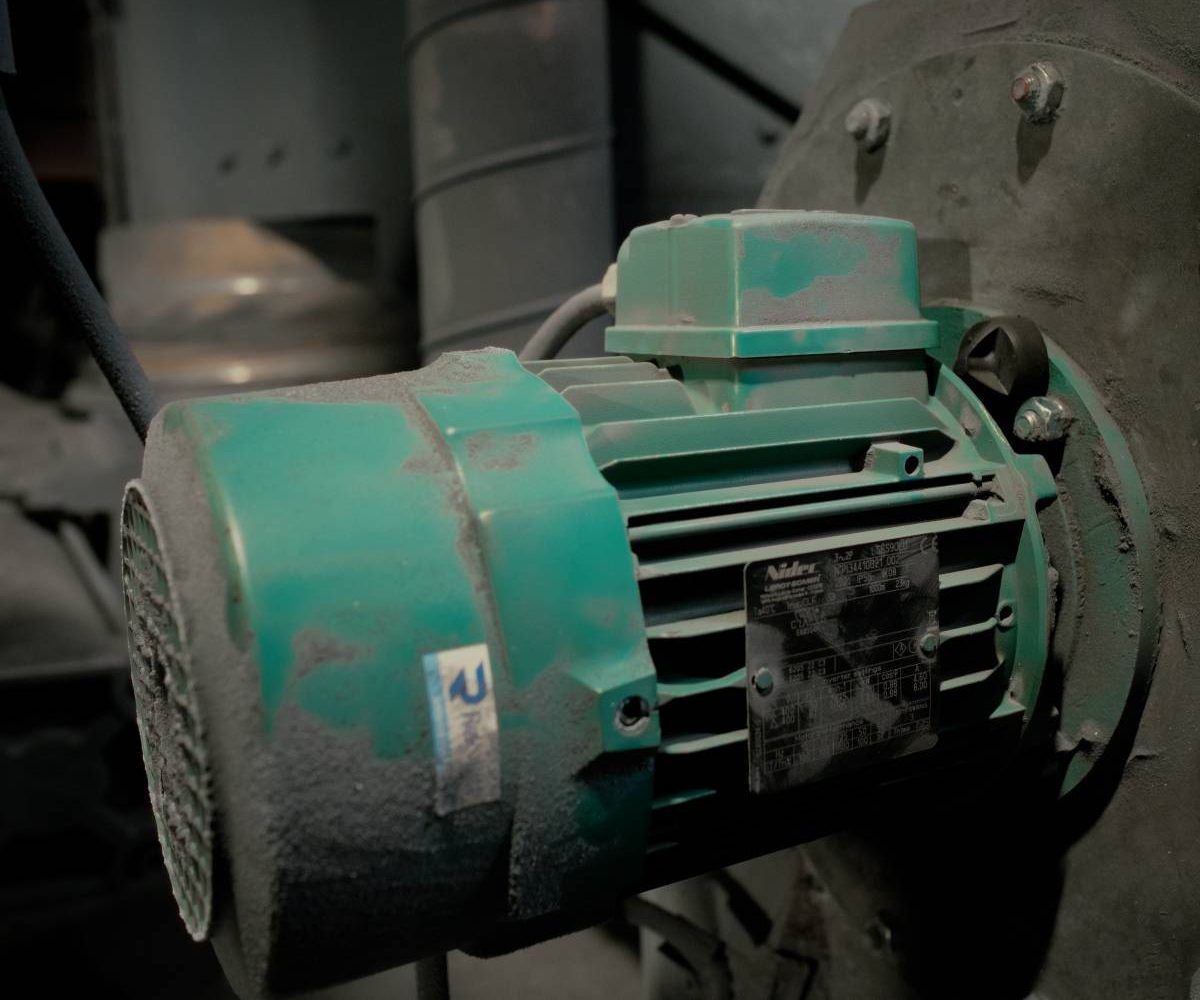
Maintaining continuous equipment uptime is essential to keep machinery performing at its highest potential, safeguard productivity, and minimize avoidable expenses with downtime.
With advanced Neuron wireless sensor technology, industrial teams can detect early signs of equipment degradation, schedule maintenance before failures occur, and prevent costly unplanned downtime.
High equipment availability directly enhances efficiency, sustainability, and overall profitability.
Related article: Optimal sensor technology for optimal business expansion
Challenge: Preventing Expensive Downtime
Industrial operations rely on complex machinery that must consistently perform to meet production goals. When equipment fails unexpectedly, the consequences can be severe:
- Lost revenue due to stopped production.
- Increased repair expenses from expedited part orders and overtime labor.
- Disruptions across the supply chain that jeopardize customer commitments.
- Higher environmental impact caused by inefficient resource use during breakdowns.
Conventional calendar-based maintenance often leads to unnecessary servicing or missed signs of emerging issues, making it both costly and ineffective.
Related article: How Sensor Integration in CMMS Boosts Profitability and Enhances Maintenance

Solution: Smart Uptime Monitoring Powered by El-Watch Sensors
El-Watch provides a suite of wireless sensors engineered to continuously monitor key operational parameters, including vibration, electrical current, pulse counts, and dry-contact states.
These real-time insights support predictive maintenance approaches that keep equipment running reliably:
- Neuron Vibration Sensor: Identifies abnormal vibration patterns indicating early bearing wear, imbalance, or misalignment.
- Neuron Ampere Sensor: Measures current consumption to detect overloads or irregular behavior that could lead to motor damage.
- Neuron Pulse Counter: Monitors cycle counts or flow rates to ensure process stability and uncover deviations.
- Neuron Dry Contact Sensor: Tracks equipment on/off states to verify operation and provide alerts for unexpected shutdowns.
Related article: What is predictive maintenance? (Definition, examples, IoT solutions)

Predictive maintenance focuses on proactive insight, time-sensitive prevention, and health monitoring.
Core Advantages of Intelligent Equipment Uptime Monitoring
- Lower Downtime: Prevent unplanned outages and maintain smooth production flow.
- Significant Cost Reductions: Decrease emergency repair spending and avoid revenue losses from halted processes.
- Enhanced Sustainability: Extend the lifespan of machinery and eliminate unnecessary component replacements.
- Greater Operational Efficiency: Achieve consistent high availability and reliably meet production goals.
- Reduced Environmental Impact: Condition-based maintenance minimizes waste and energy usage.
- Easy Scalability: Sensors can be deployed quickly across a wide range of equipment.
Customer example:

When evaluating the value of reducing downtime, it is essential to ask which processes are most affected by interruptions, what the financial and operational impact of equipment failures is, and how much efficiency and cost savings could be gained through improved uptime.
- What are your main cost drivers (e.g., energy, labour, maintenance, raw materials, downtime)?
- How much downtime do you typically experience, and what does that cost you?
- Do you track scrap, waste, or rework rates? What are the associated costs?
- What is your current maintenance strategy (reactive, preventive, predictive)? What does it cost per year?
- What is your planned budget for this project?
- What are your expectations for the project timeline?
- Over how many years do you evaluate capital investments?
- What is your typical hurdle rate for ROI projects?
- Are there non-financial benefits you value (safety, compliance, sustainability, reputation)?
- How important is payback time vs. long-term ROI?
By adopting El-Watch’s smart equipment uptime monitoring solutions, organizations can strengthen operational reliability, reduce costs, and advance sustainable manufacturing practices. Predictive maintenance is no longer optional; it’s a key driver of long-term competitive advantage.
Read more: Smart Safety in Manufacturing: How IoT Maintenance Makes People and Plants Safer