In aluminium electrolysis smelters, bypass wedges are used to isolate individual cells by short-circuiting the busbars. Correct installation and removal of these wedges is essential for safe maintenance and stable operation.
Related article: Monitoring Cathode Collector Bars in Aluminium Electrolysis Cells
The wedge creates a low-resistance electrical bridge between two busbars. Verifying this connection requires accurate measurement of very small voltage differences (mV) under demanding environmental conditions.
Operators need a reliable way to confirm whether a wedge is:
- Properly inserted and electrically conducting
- Incorrectly seated or partially conducting
A poorly connected wedge will start to generate heat due to increased electrical resistance, which, if unchecked, can lead to a complete meltdown of the wedge and busbar system.
This can lead to extremely dangerous situations that harm personnel working on disconnected cells or to a complete breakdown of the potline busbar system, resulting in costly downtime for the whole potline.
Related article: Smart Safety in Manufacturing: How IoT Maintenance Makes People and Plants Safer
Challenge: Verifying the electrical connection of bypass wedges
Manual inspection is time-consuming and exposes personnel to heat, high currents, and restricted access areas. Conventional measurement methods with manual probes, which do not measure at the exact same location, often lack the precision required to detect millivolt-level changes over time in high-noise environments.
Solution
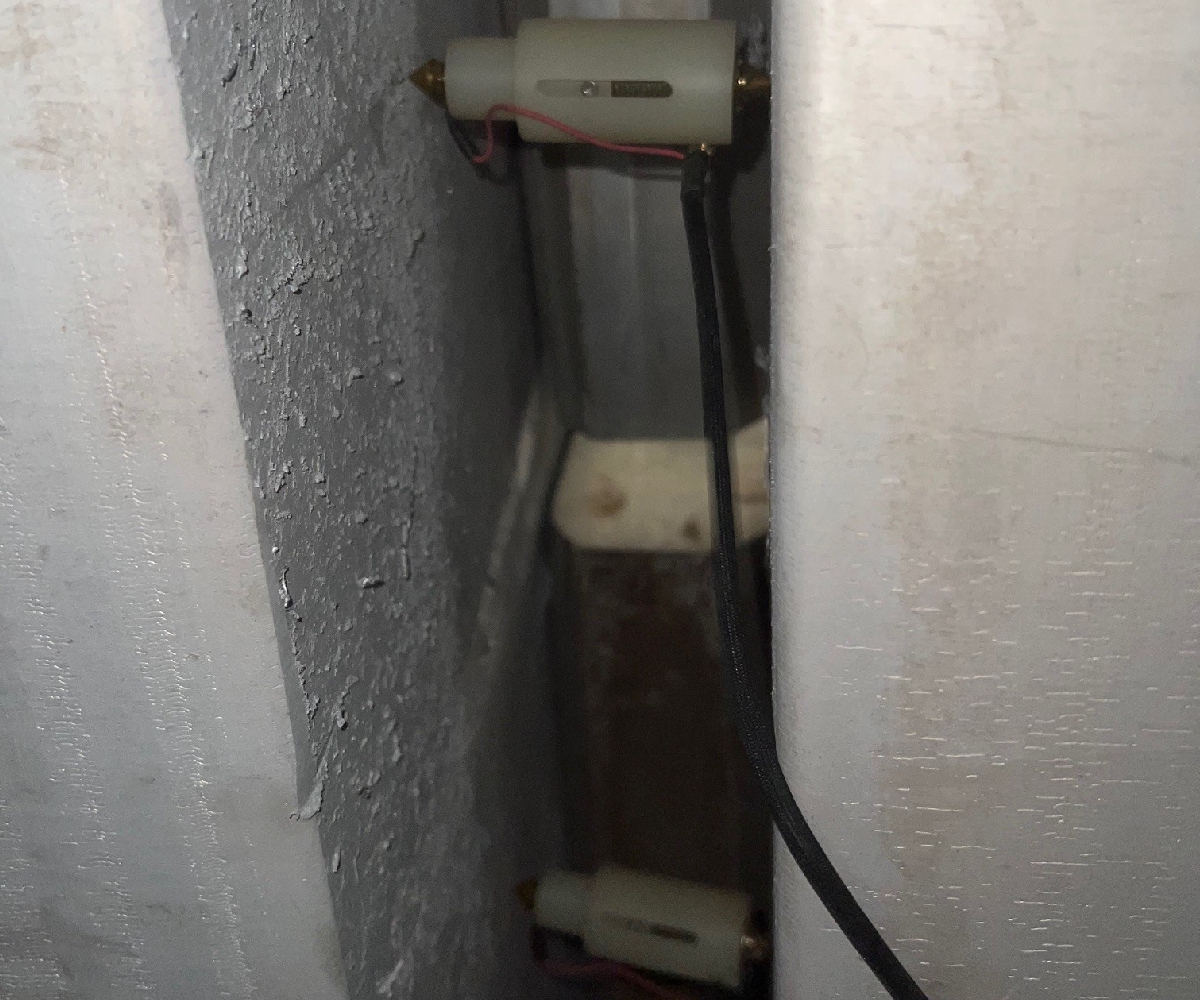
A spring-loaded probe is used to measure the voltage directly across the wedge connection.
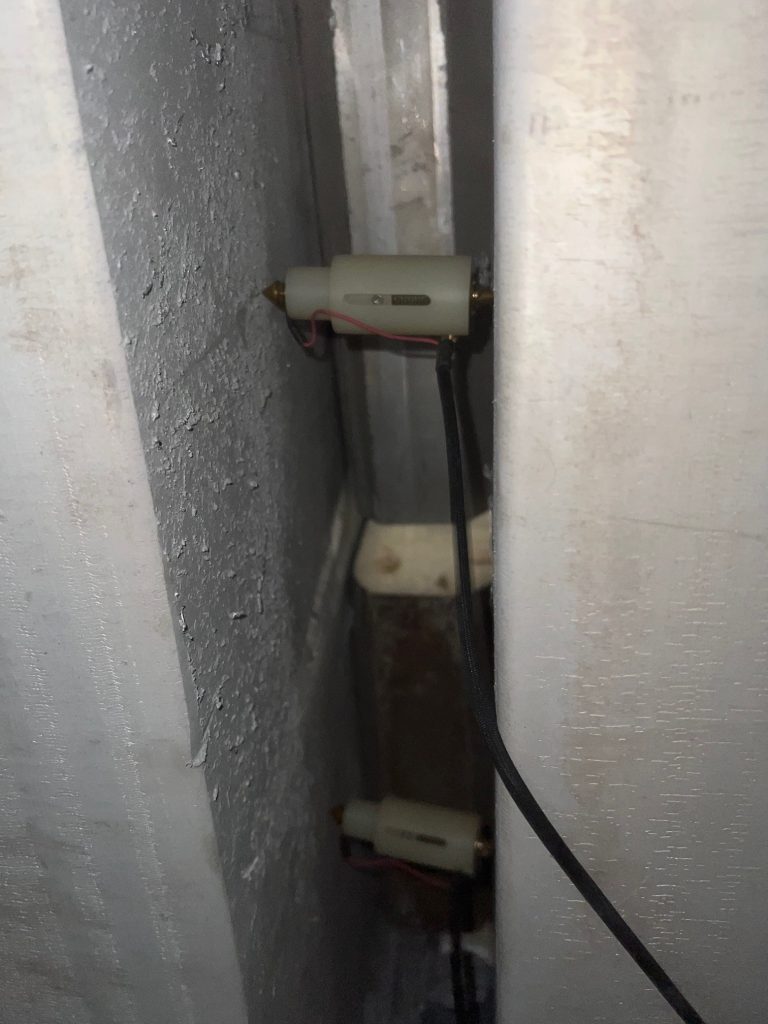
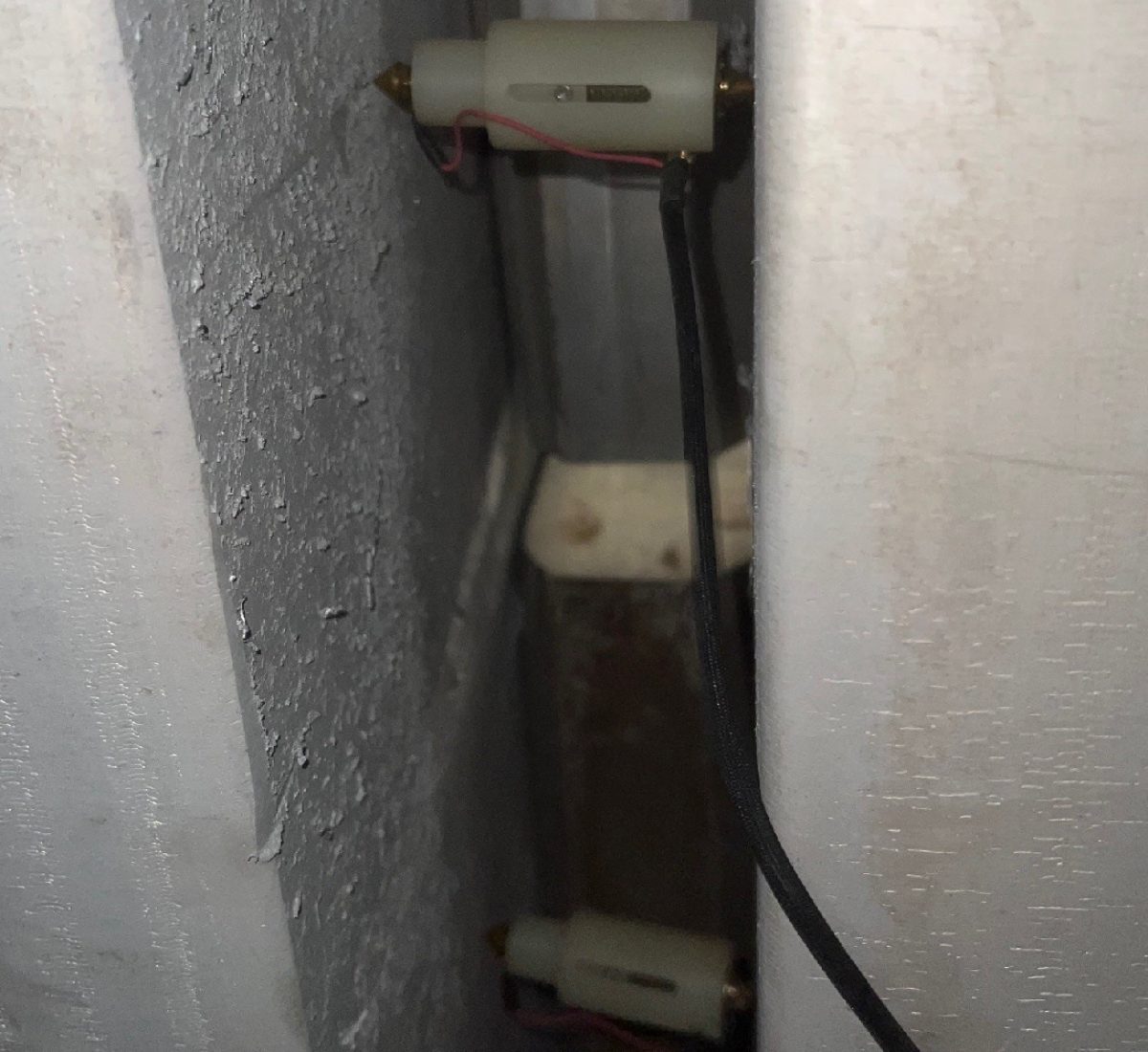
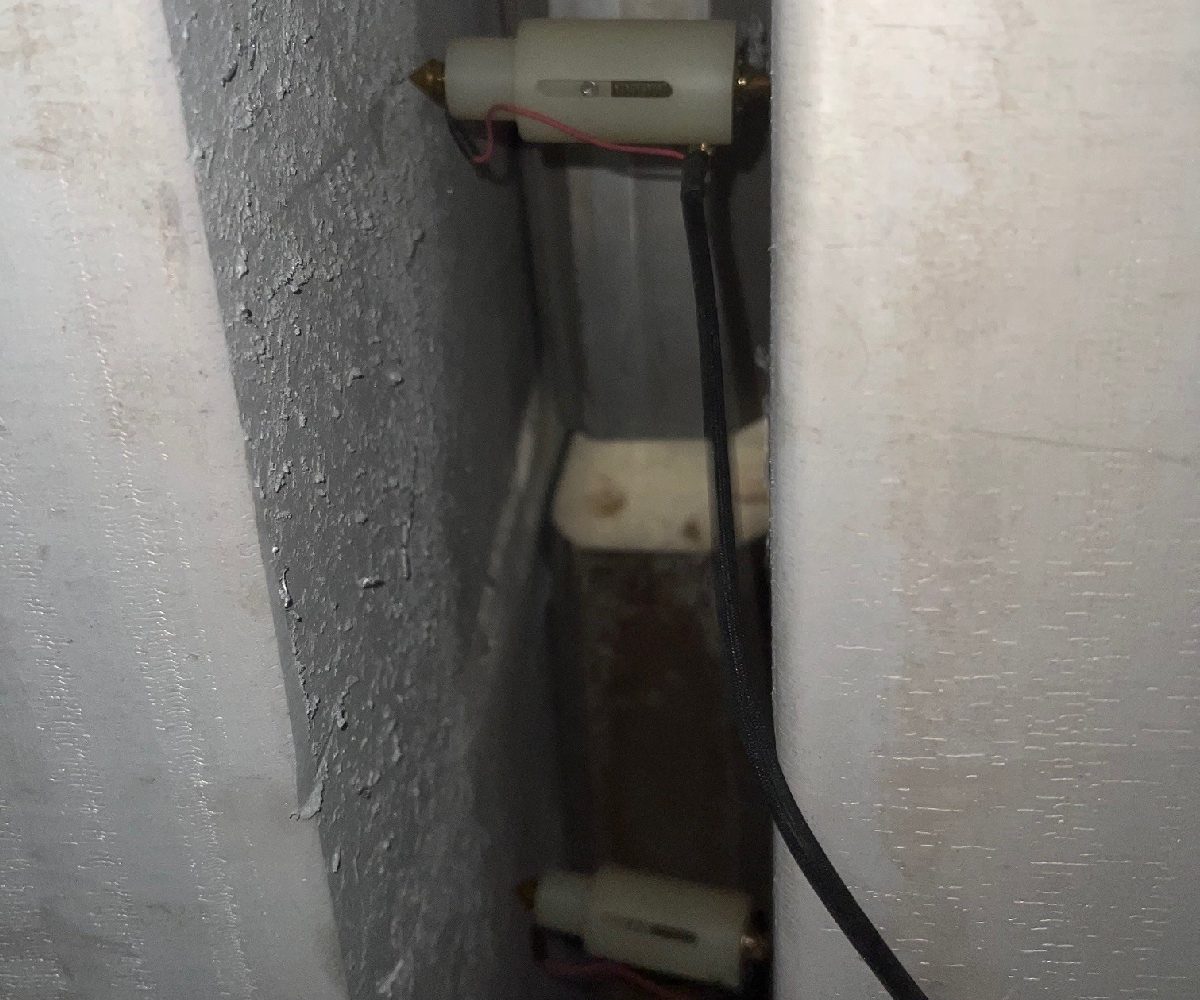
The probe is inserted between the two busbars bridged by the wedge and includes:
- Spring-loaded contact mechanism ensures stable pressure
- Brass spike electrodes that penetrate oxide layers
- Direct connection to a high-precision millivolt sensor
The probe is connected to a Neuron Precision mV sensor, which measures the voltage drop across the wedge every 10 seconds, and the data is transmitted for continuous monitoring and alarms.
Related article: Neuron Digitizer: The bridge between the analog and digital worlds
How it works
- Wedge firmly inserted: Low, stable millivolt readings indicate a closed, conducting connection.
- Wedge with poor connection: Gradually increasing voltage drop with increasing noise in the signal indicates a poor connection in the wedge, and appropriate actions should be taken.
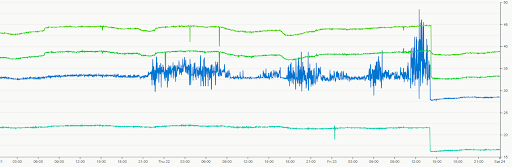
Figure 1 – Increasing noise indicates a poor connection. Following a drop due to readjustment on all four wedges being monitored
Typical use cases
- Detection of poor electrical contact
- Isolation verification during cell maintenance
- Monitoring of temporary bypass configurations
Key Benefits
- Safe verification: Reduces or eliminates the need for manual inspection in hazardous areas
- High sensitivity: Millivolt resolution enables clear detection of the connection state
- Repeatable and comparable results: Measurements are taken at the exact same location every time, removing measurement variability. This results in earlier detection of events and trends.
- Robust in harsh environments: Stable measurements in high temperature and high EMI conditions
- Non-intrusive installation: No modification of busbars or wedges required
- Supports digital smelter operations: Easy integration into existing monitoring and control systems
Read more: Monitoring Preheating of Aluminum Cells